

Marina Rajšić’s author’s concept consists of a hanging installation made entirely of objects given by the citizens of Labin and the surrounding area with photographs of their owners showing the occasion in which they were originally used displayed on the second floor of the gallery. The phrase ‘special occasion’ can be interpreted in various ways, from joyful to tragic moments, as shown by the items included in the exhibition, but also photographs that used to be taken only on special occasions. Donors of the objects determined the thematic content of the exhibition with their own notion of ‘special occasion’, thus expanding the concept from the originally supposed occasions: weddings or other holy sacraments, graduation parties, Sunday family gatherings, birthdays; to some less supposed ones such as war events or deaths, which expanded the layering and understanding of this work. Objects of outdated or inadequate usage represent sentimental or other importance to the individual, who becomes the indirect protagonist of the installation. By transferring them to a new environment in the function of museum exhibits - placing them as hanging objects in space, wrapped in archival foil and with an added inventory mark, they were given new significance, which re-examines their previous role and calls into question their current value and purpose. In 1917, Marcel Duchamp reused the urinal as a museum exhibit, depriving it of its original purpose and utilitarian role. However, Rajšić did not interrupt their useful function by placing objects in a new context. It was abolished long ago or never even served its intended purpose. (…) Everyday objects were passed down from generation to generation out of need and poverty, and special efforts were made to preserve them in order to prolong their lifespan. Some more expensive items were stored safely and deprived of use. Thus, its true purpose was annulled, and it gained a new, purely symbolic value from a certain useful object. Such items are often inherited by continuing the life of our ancestors through future generations. Sentiment, which then develops by reminding us of a certain person, event or simply some past time, is an expression of part of our attachment, identification with one part of our own or someone else’s life path.
— Stephanie Peršić, Labin town gallery
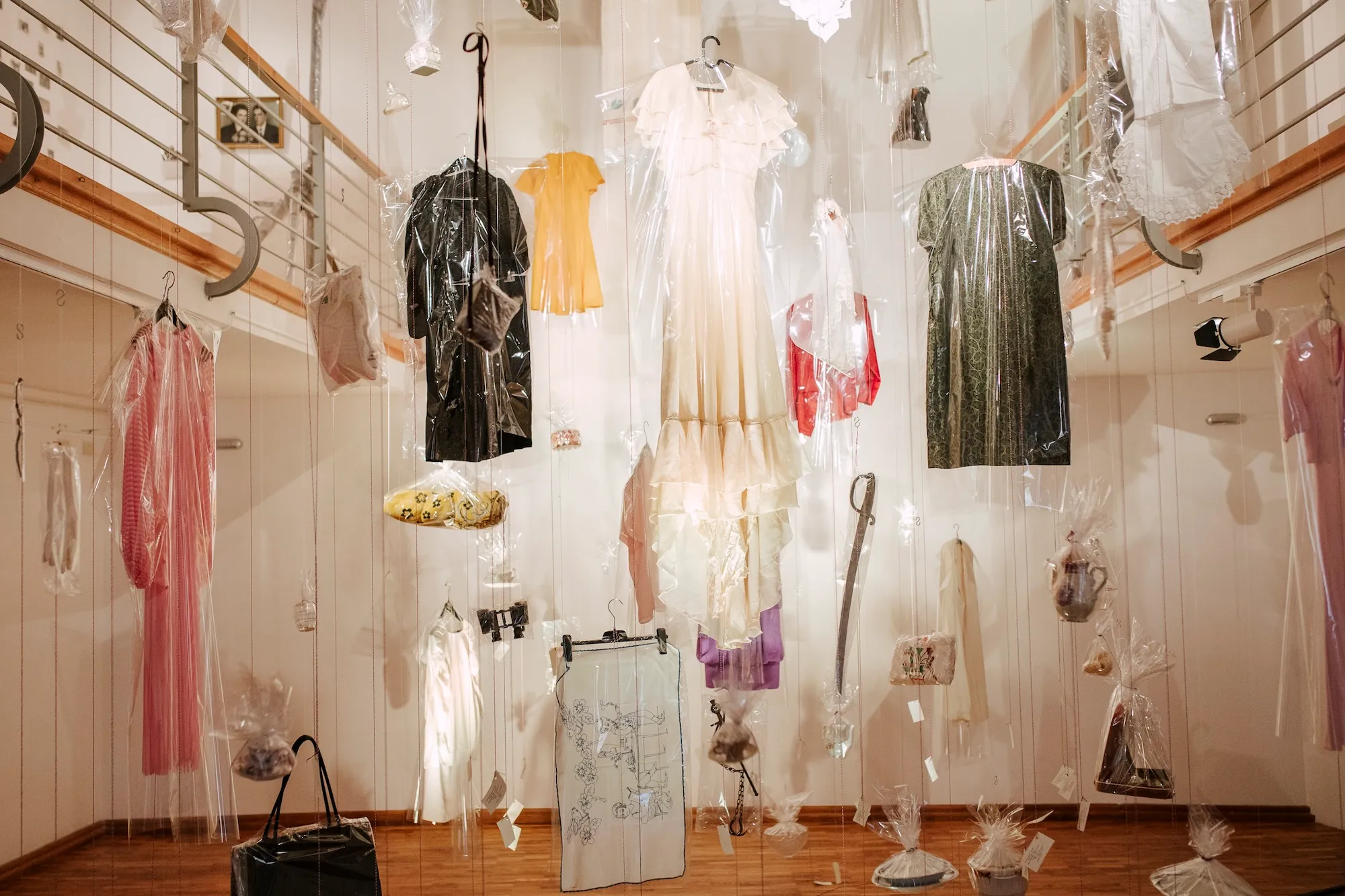
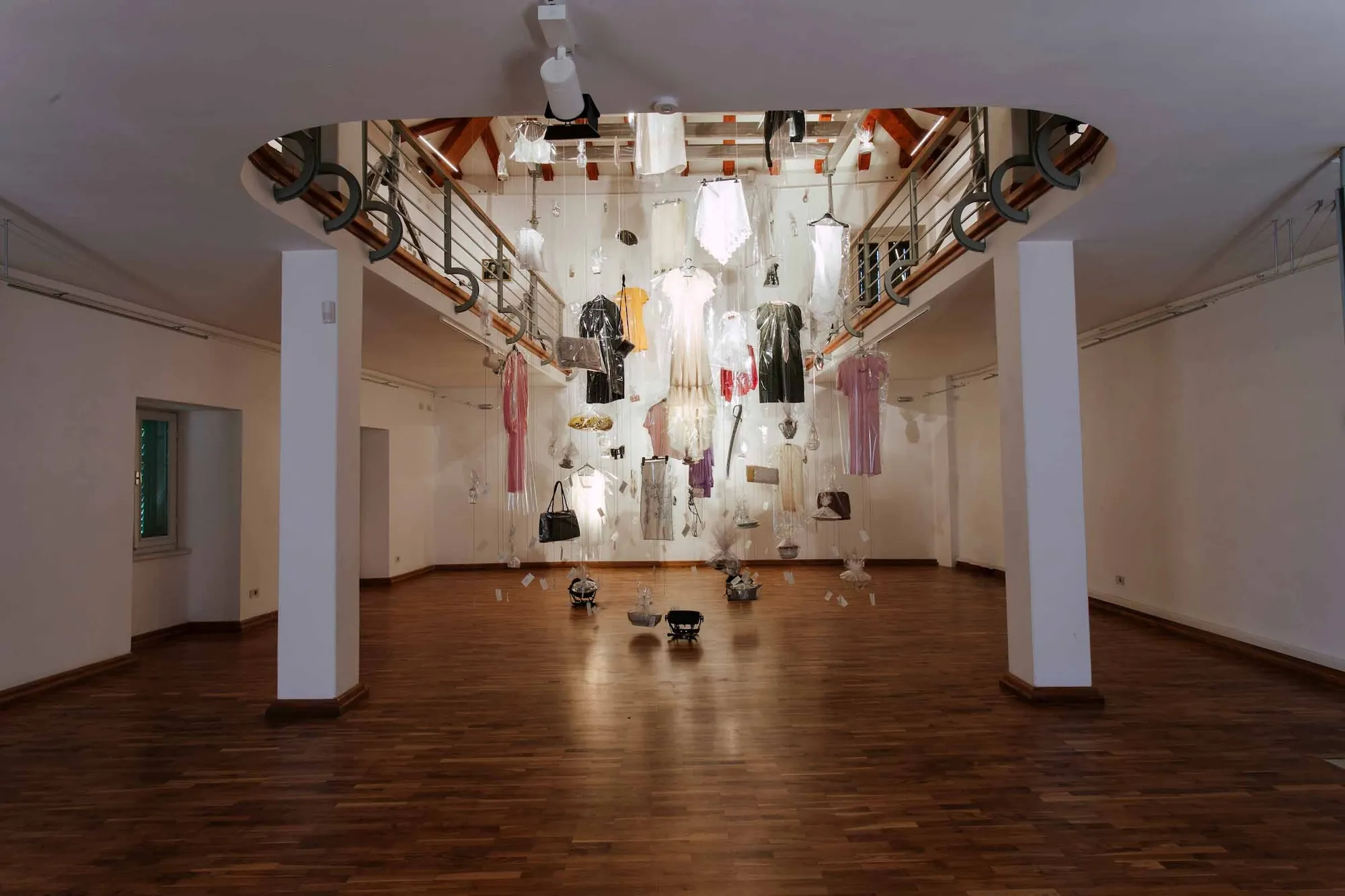
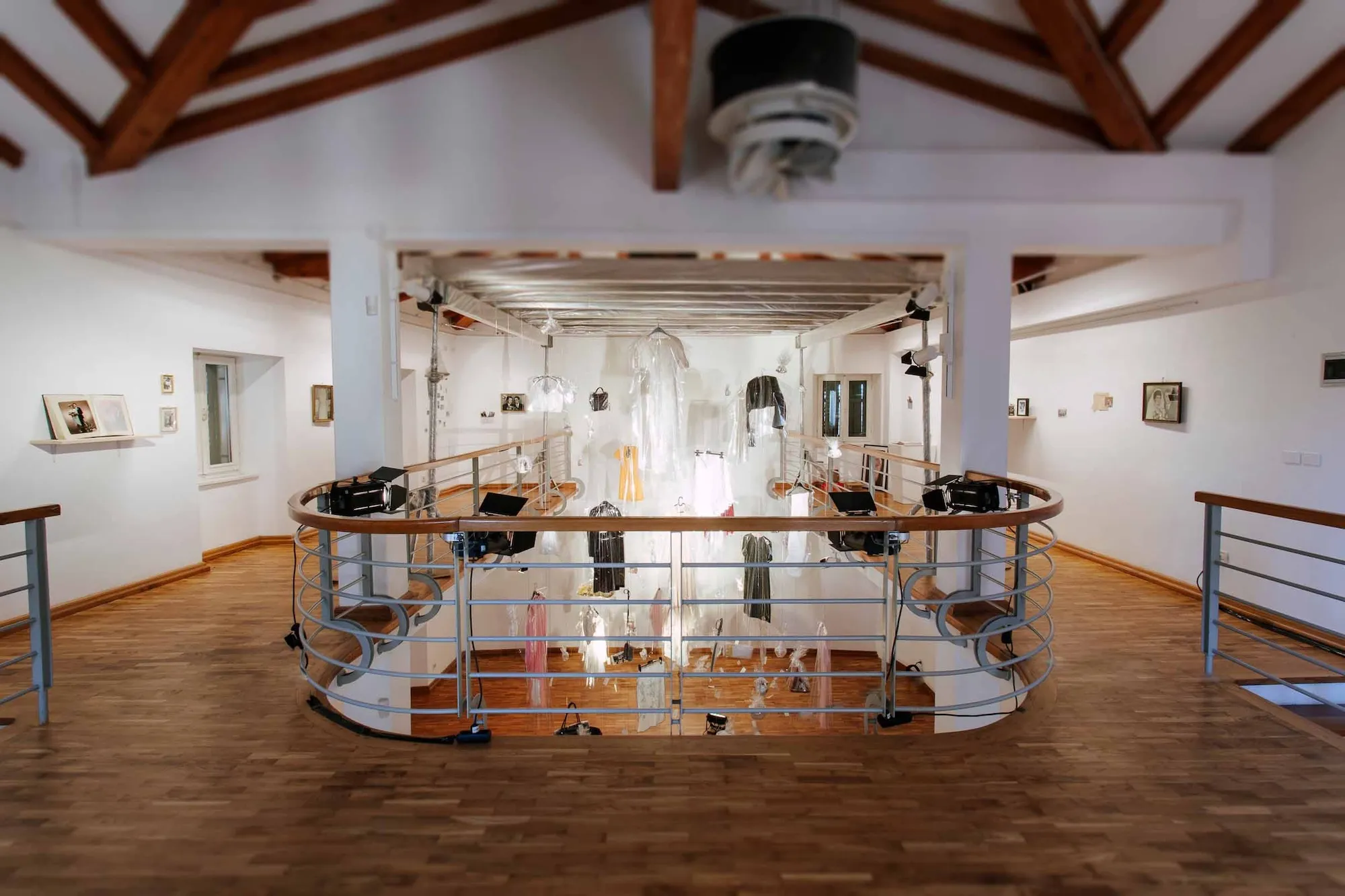
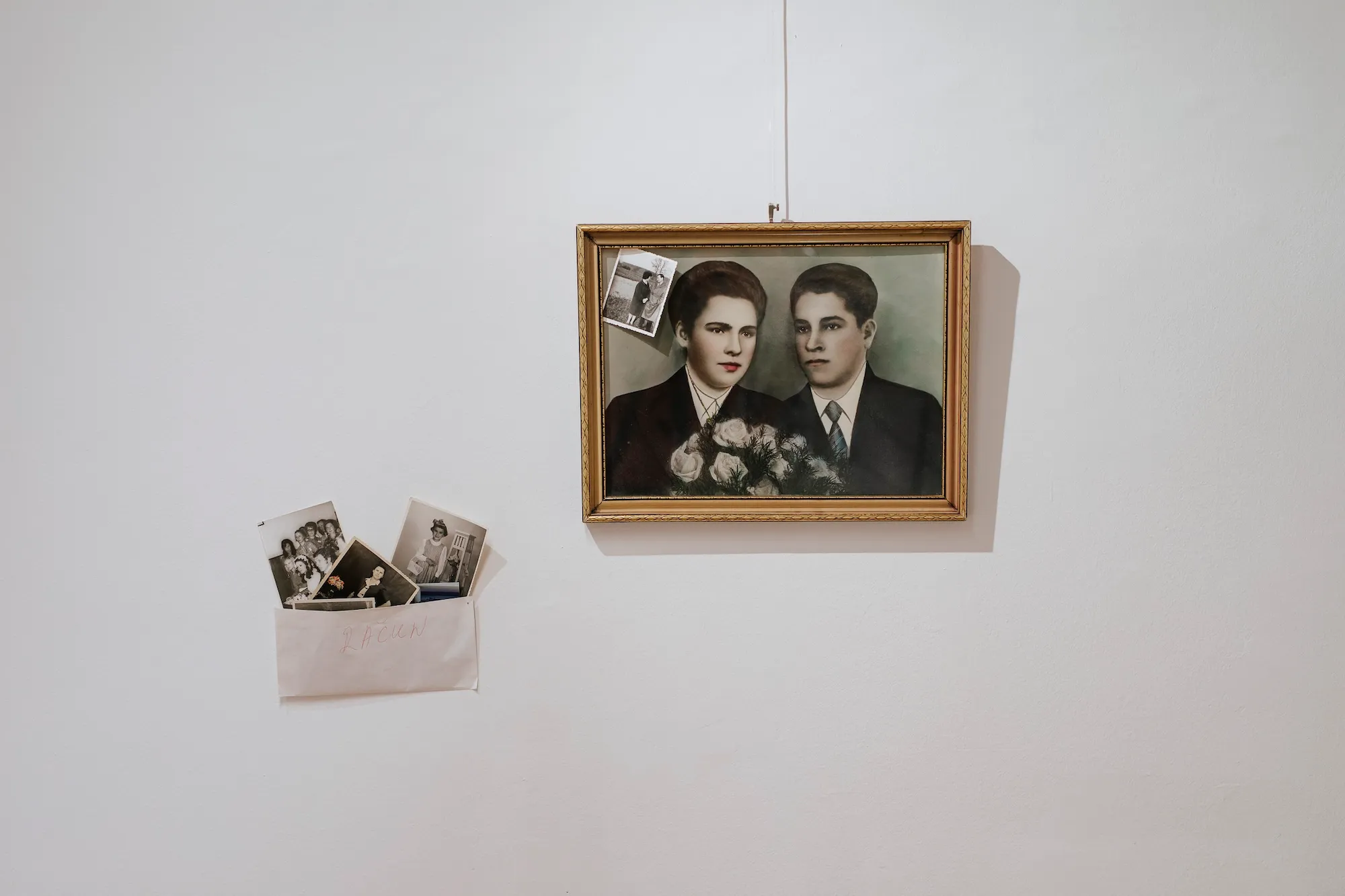
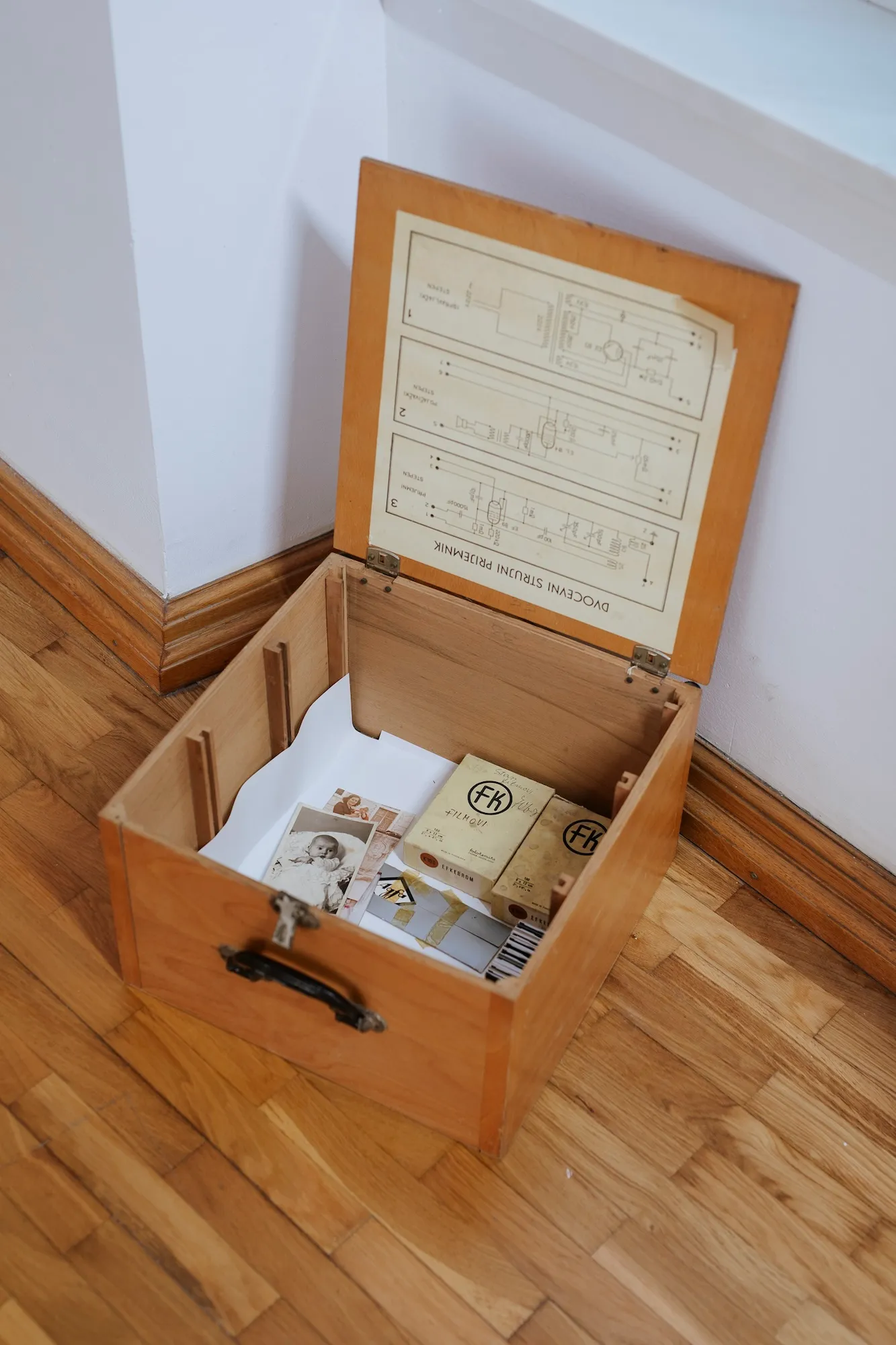
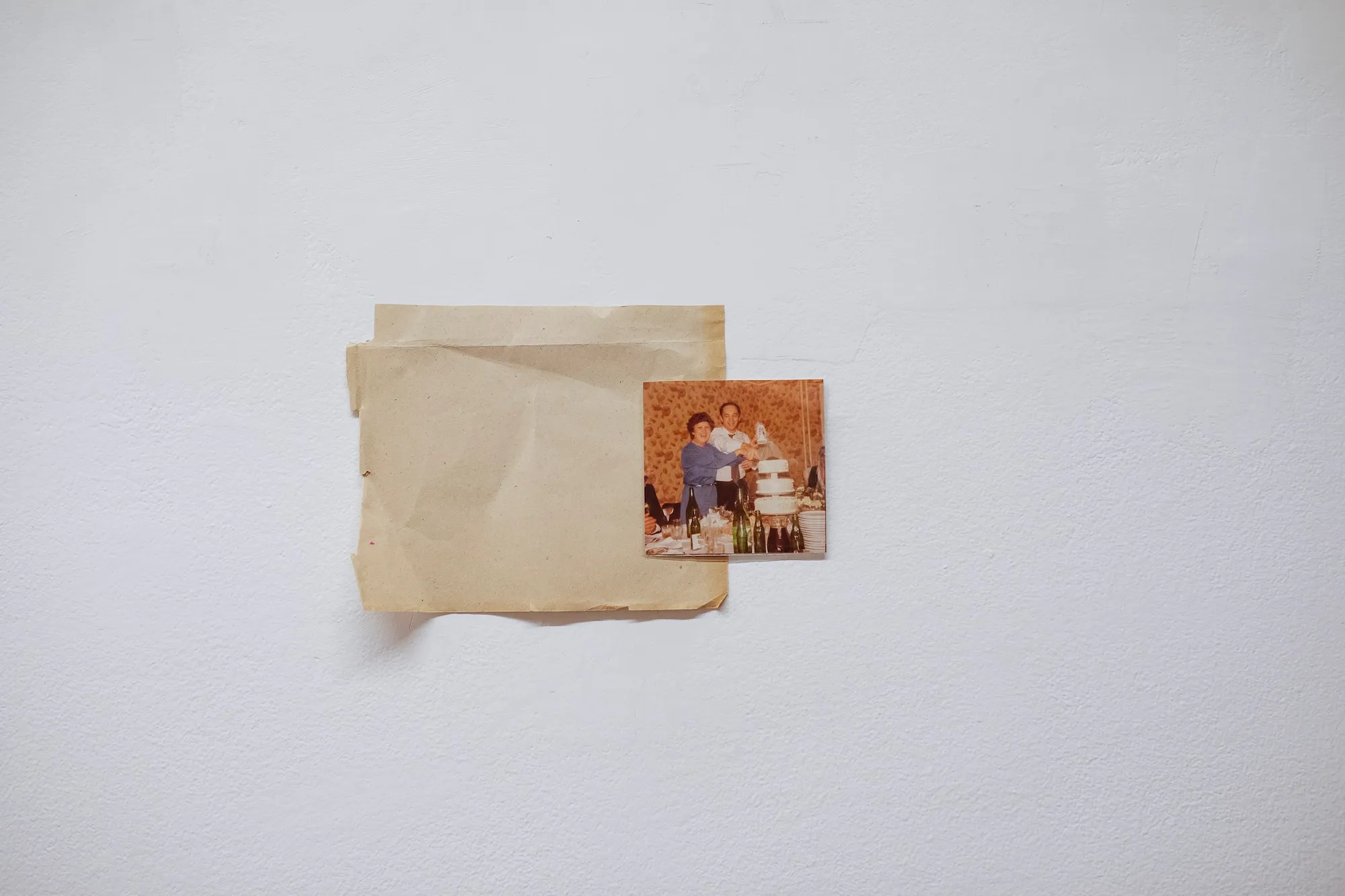
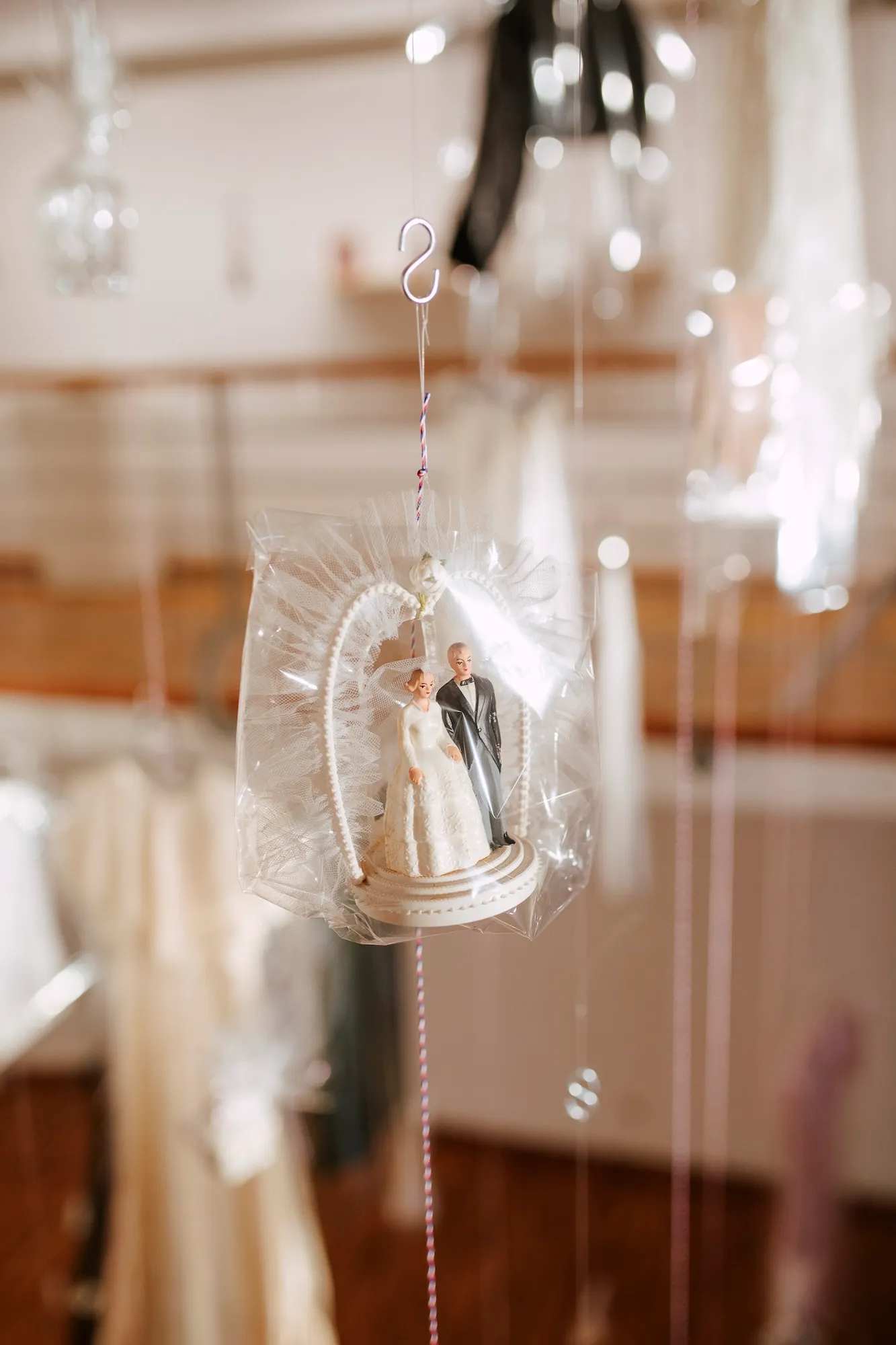
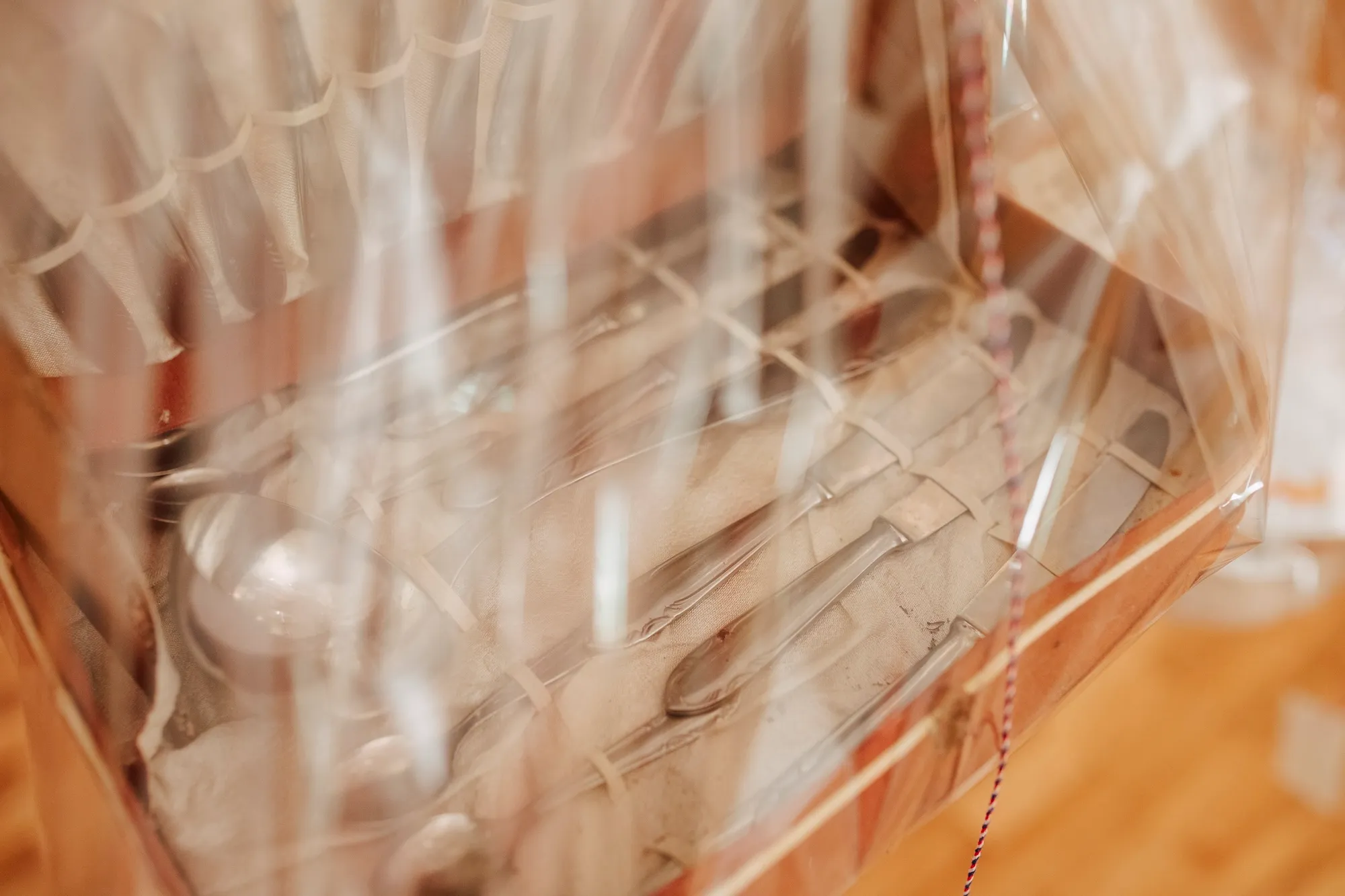
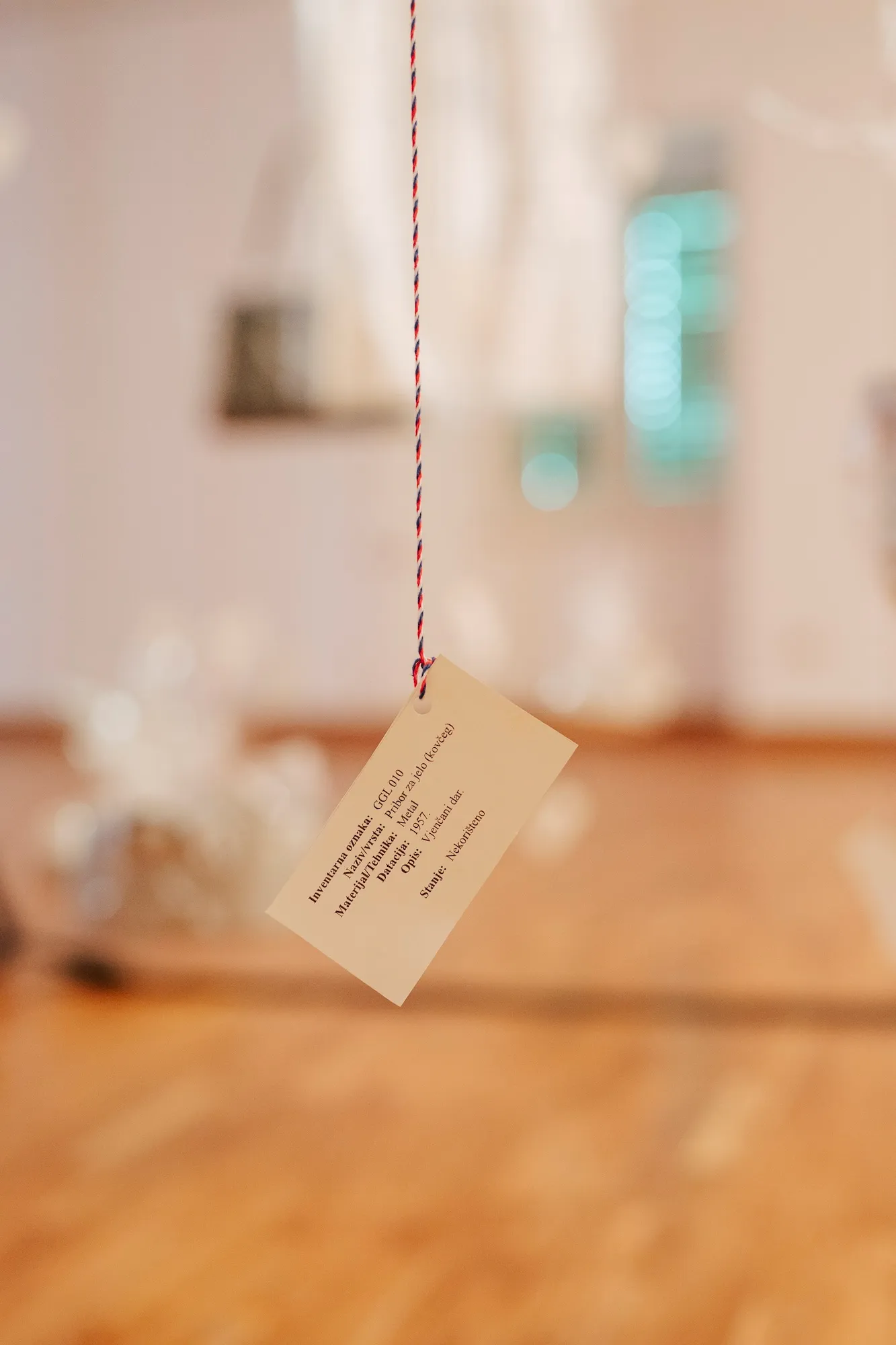
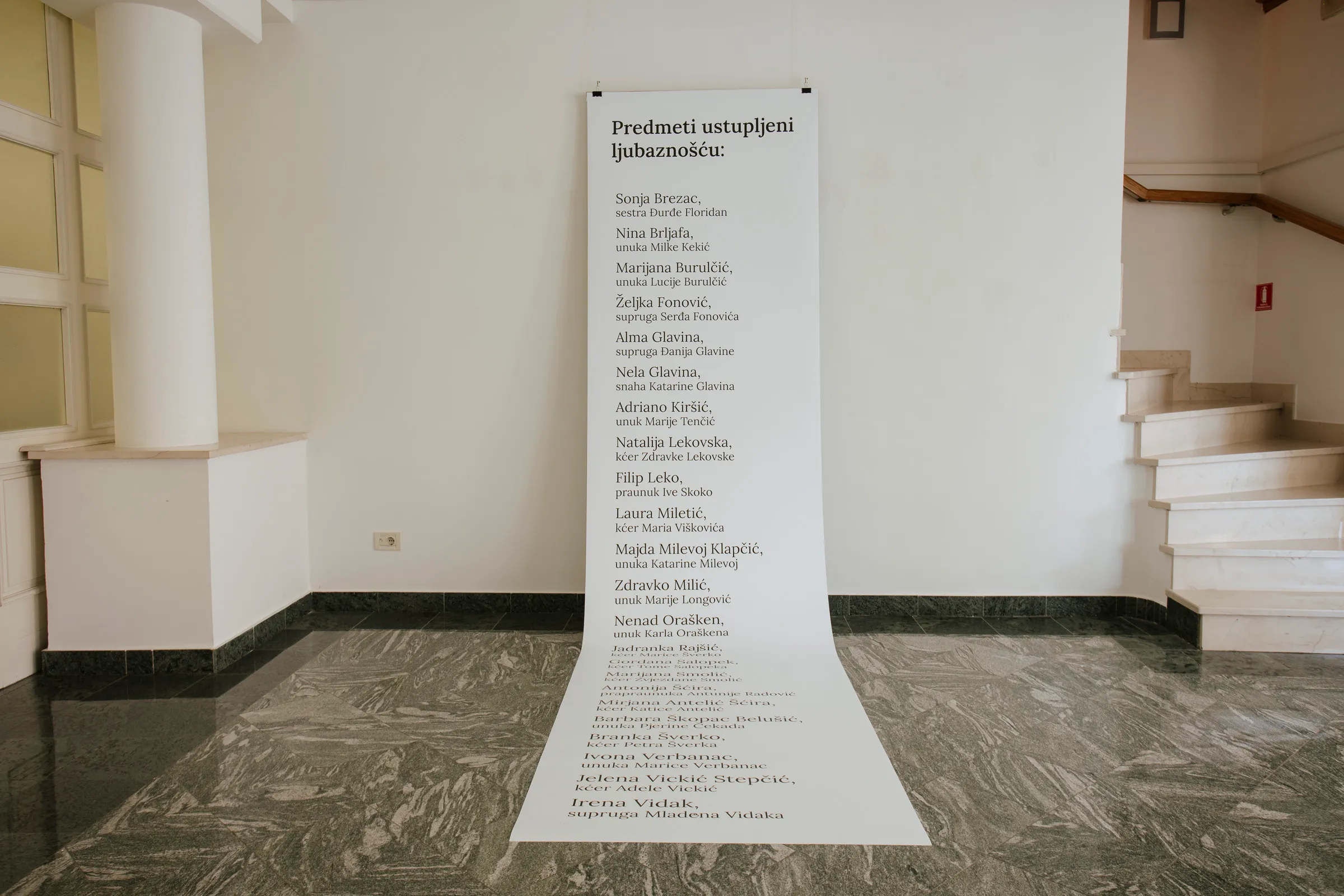
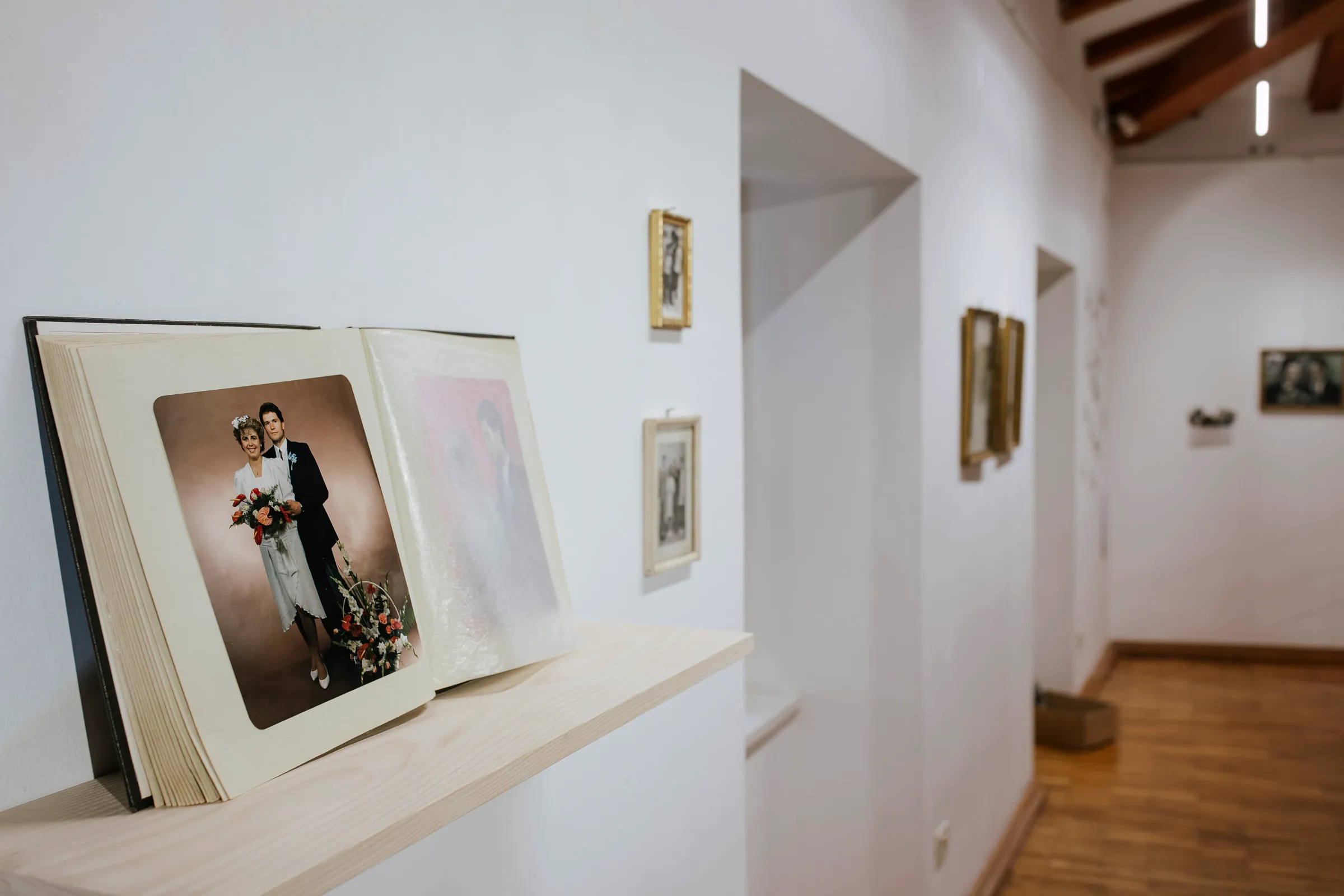
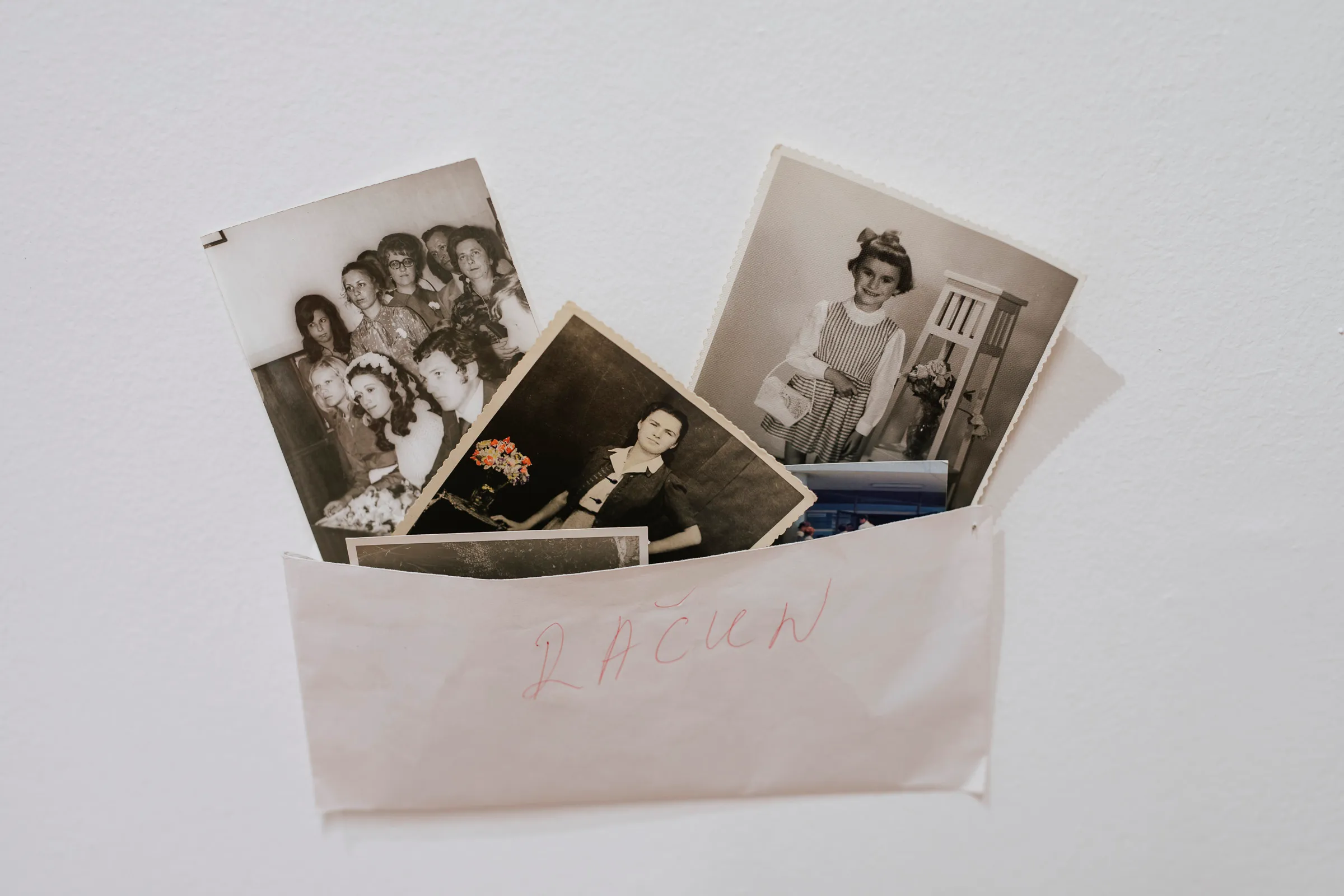
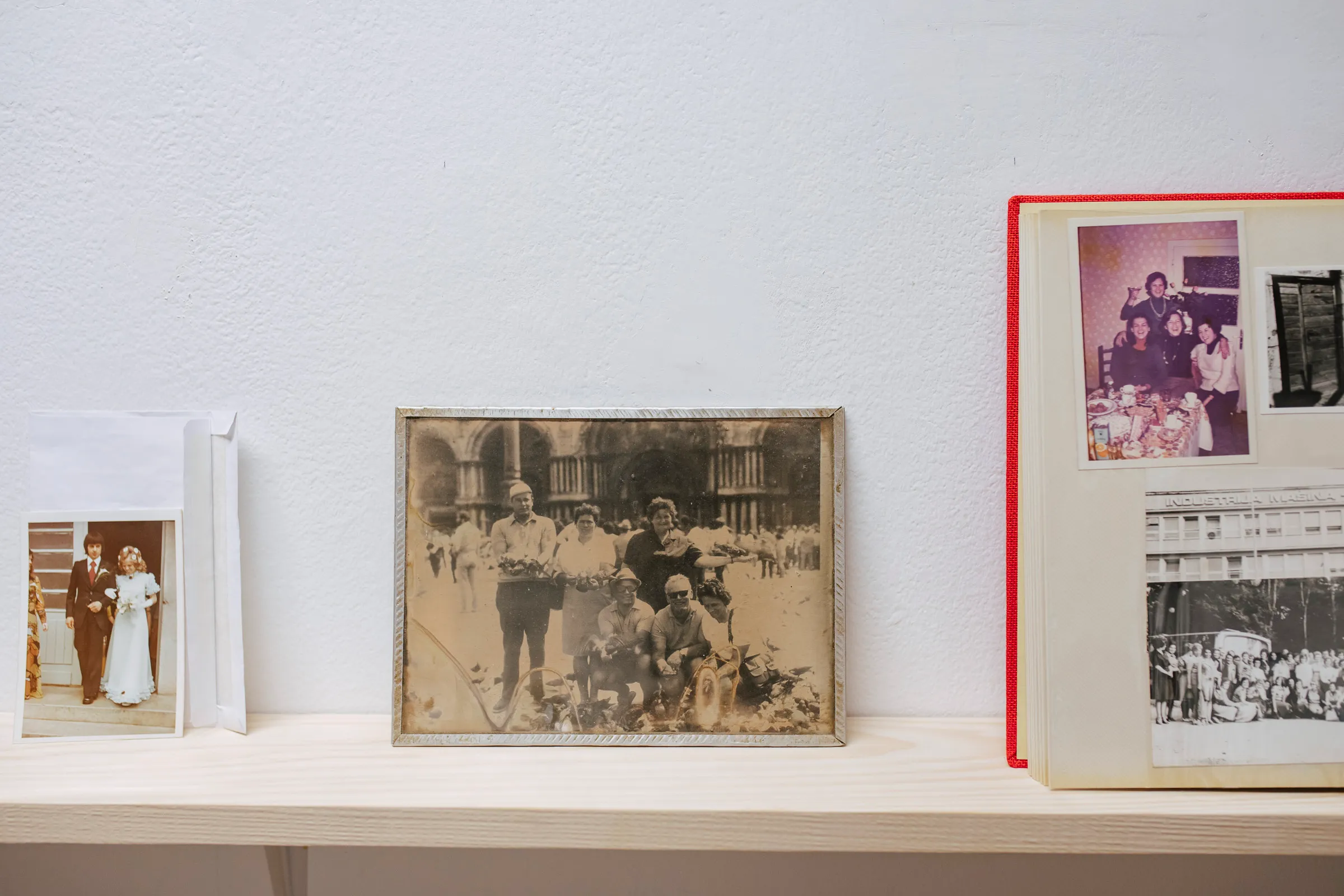
Photo credits
Installation view at Labin Town Gallery: Karlo Čargonja
Croatian title
Posebna prigoda